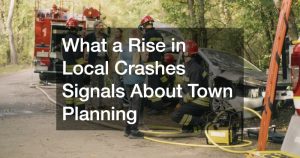
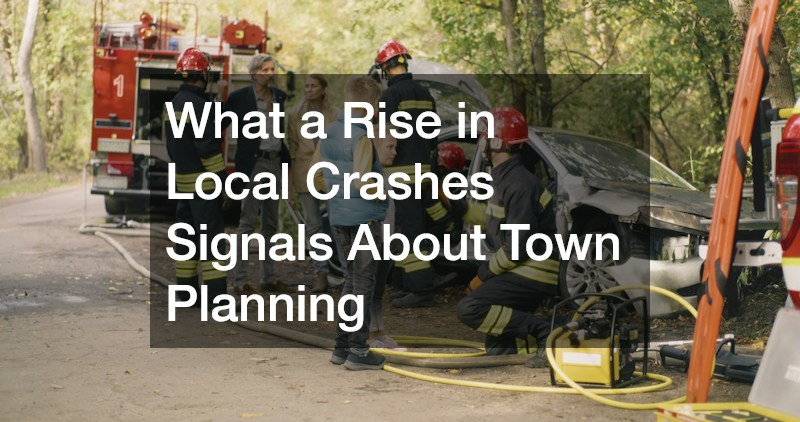
If you have noticed more fender benders at the end of your street or a growing number of flashing police lights near the same intersection, you are not imagining things. A sudden uptick in local crashes is rarely random, and it often points to deeper problems with how a neighborhood was designed, built, or allowed to grow without updates. Understanding what these patterns mean can help you protect your family, advocate for safer streets, and know what steps to take if you or someone you love is affected. This article breaks down the warning signs hidden in local crash data and what residents can actually do about them.

Reading the Pattern Behind Rising Crash Numbers
A single accident can be a fluke, but a cluster of crashes in the same location over a short period usually signals something structural. Traffic engineers look at factors like intersection geometry, sightlines, and signal timing when numbers spike in one area. Residents can do a simplified version of this by checking local police blotters or city traffic reports to see if incidents are concentrated on specific blocks or during particular hours.
When a town’s crash reports show repeat problems at the same three or four locations, it usually means the road design itself is contributing to the issue rather than driver error alone. This is useful information for neighborhood associations preparing to request changes from city council. It also helps individual drivers make smarter choices about which routes to avoid during peak risk times.
Outdated Road Designs That No Longer Fit Traffic Volume
Many towns built their road networks decades ago, long before current population growth and commuting patterns existed. A two-lane road designed for a rural community in the 1970s may now be carrying triple the traffic it was built for, creating backups and dangerous passing situations. These mismatches between old infrastructure and modern demand are a major contributor to rising collision rates.
Narrow shoulders, short merge lanes, and outdated curve banking all become more dangerous as traffic volume increases. Towns that have not reassessed their road capacity in years are often the ones seeing the sharpest increases in reported crashes. Identifying these outdated stretches is usually the first step local governments take before applying for infrastructure funding.
- Roads originally built for agricultural or low-density use now serving commuter traffic
- Lack of turn lanes causing rear-end collisions at busy intersections
- Insufficient shoulder width for breakdowns or emergency stops
- Curves and hills that no longer meet modern visibility standards
Traffic Signal Timing and Intersection Control Problems
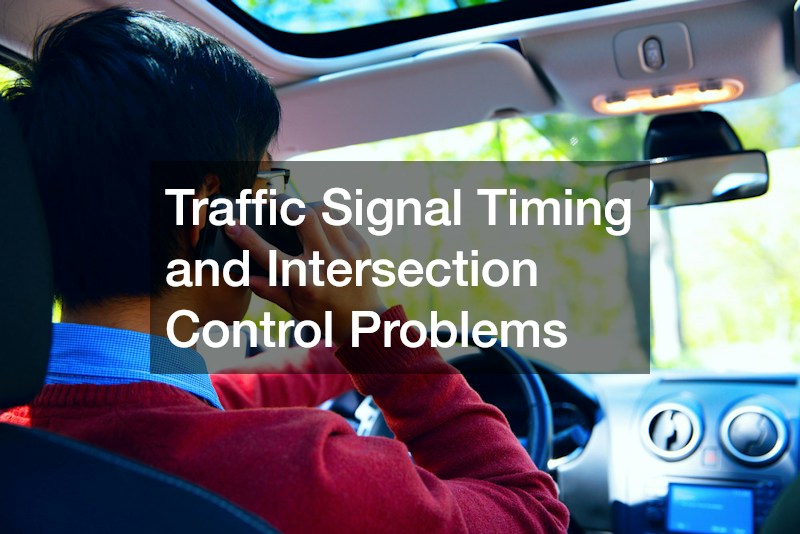
Poorly timed traffic signals are one of the most common and fixable causes of localized crash spikes. When a light cycle is too short, drivers rush through yellow lights, and when it is too long, frustrated drivers run reds out of impatience. Intersections without proper turn signals often see an increase in side-impact collisions as drivers attempt to judge gaps in oncoming traffic.
Many towns rely on signal timing plans that were set years ago and never adjusted as traffic patterns shifted. A simple retiming study can sometimes reduce crashes at a problem intersection by a significant margin without any construction at all. Residents who notice a particular light causing frequent near misses should report it to their public works department with specific times and details.
Pedestrian and Cyclist Safety Gaps in Town Design
As more residents choose to walk or bike, towns that have not updated their infrastructure to accommodate this shift often see a rise in crashes involving pedestrians and cyclists. Missing crosswalks, inadequate lighting, and bike lanes that disappear without warning all create dangerous conflict points with vehicle traffic. These gaps tend to show up clearest in older downtown areas that were designed purely around car traffic.
A noticeable increase in pedestrian-involved incidents is often one of the clearest signals that a town’s planning has not kept pace with how people actually move through it. Adding marked crosswalks, pedestrian signals, and protected bike lanes has been shown to reduce these incidents significantly in towns that have invested in the changes. Community input during planning meetings is one of the most effective ways to get these fixes prioritized.
- Crosswalks spaced too far apart, encouraging jaywalking
- Poor street lighting near school zones and bus stops
- Bike lanes that end abruptly near high traffic areas
- Lack of pedestrian countdown signals at busy intersections
Commercial Growth Outpacing Infrastructure Updates
When a town approves new shopping centers, apartment complexes, or business parks without upgrading the surrounding roads, traffic congestion and crash risk both tend to rise. A single new retail development can add hundreds of additional daily trips through an intersection that was never designed to handle that volume. This is a common pattern in fast-growing suburban areas where approvals move faster than infrastructure funding.
Unfortunately, this kind of rapid commercial growth is also where larger vehicles enter the picture more frequently, including delivery trucks and freight haulers serving new businesses. When a serious collision involves a commercial vehicle, the case often becomes more complex because multiple parties, insurance policies, and federal trucking regulations may be involved. In situations like this, consulting a trucking accident attorney can help a resident understand liability questions that go well beyond a typical two-car crash.
School Zones and Residential Street Safety Concerns
Streets near schools and in dense residential neighborhoods deserve special attention because the mix of young pedestrians, cyclists, and distracted drivers creates unique risks. A rise in crashes near a school often points to insufficient signage, missing speed bumps, or crossing guards being removed due to budget cuts. Parents and neighborhood groups are often the first to notice these patterns before city data catches up.
Residential streets without traffic calming measures tend to see higher average speeds, which directly increases both the frequency and severity of crashes. Simple additions like speed humps, raised crosswalks, and narrower lane markings have proven effective at reducing speeds in neighborhoods that previously saw little enforcement. Reporting a dangerous street to local officials with specific examples and times tends to get faster results than a general complaint.
- Missing or faded school zone speed limit signage
- Reduced crossing guard staffing during school hours
- Lack of speed bumps on residential cut-through streets
- Overgrown landscaping blocking driver sightlines near crosswalks
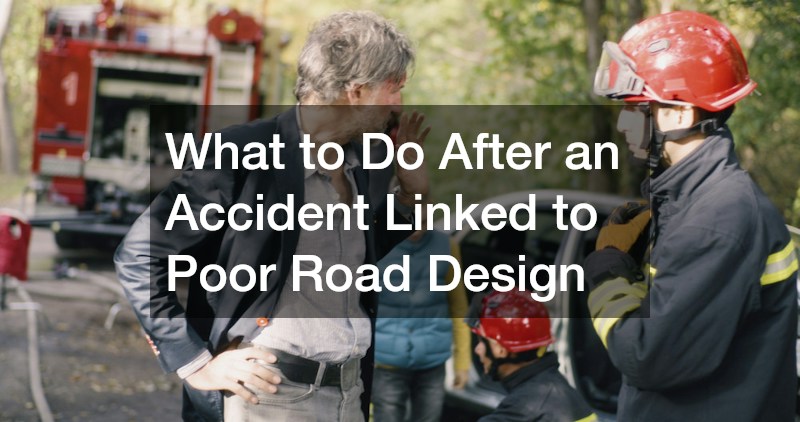
What to Do After an Accident Linked to Poor Road Design
If you are involved in a crash that you believe was caused in part by a dangerous intersection, missing signage, or poor road design, documenting the scene thoroughly matters. Photos of the road conditions, skid marks, broken signals, or obscured signs can become important evidence later. Try to capture wide shots that show the layout of the intersection or roadway, not just close-ups of the damage, since context about sightlines and signal placement is often what proves the design flaw. If possible, note the time of day, weather conditions, and traffic volume, since these factors can affect how a hazard contributed to the crash.
Witness statements are also valuable here: a neighbor who has seen three similar collisions at the same corner can speak to a pattern that a single crash report cannot. Many personal injury lawyers recommend reporting these specific hazards to the city separately from the standard police report, since municipal agencies sometimes track hazard complaints differently than crash reports. This might mean filing a report with the public works department, submitting a request through a city’s online 311 system, or sending a formal letter to the transportation planning office. Keeping copies of these submissions, along with any reference or case numbers issued, creates a paper trail that can support a claim later.
It’s also worth checking whether the location has existing complaints on file, as a history of reported hazards can strengthen the case that the design issue was known and preventable. Public records requests can sometimes reveal prior incident data, maintenance logs, or engineering studies tied to the same stretch of road.
Cases involving poor infrastructure can be more complicated than a standard crash claim because they may involve a government entity, which often comes with shorter filing deadlines and different legal procedures. Many states require a formal notice of claim to be filed against a municipality within as little as 60 to 180 days of the crash, far sooner than the typical statute of limitations for private party lawsuits. Missing that window can permanently bar you from recovering compensation, regardless of how strong your case might otherwise be.
Documenting the scene is especially important in these situations. Photos of faulty signage, poor sightlines, missing guardrails, or malfunctioning traffic signals can serve as critical evidence, since road conditions are sometimes repaired or altered shortly after an accident is reported. Working with car accident lawyers who have handled claims involving municipal liability can make a meaningful difference in how a case is built and presented.
These claims often require pulling municipal maintenance records, prior complaint histories, and engineering reports to establish a pattern of negligence rather than a one-time oversight. An experienced attorney will also know which government agency is actually responsible, since liability can fall on a city, county, state transportation department, or private contractor depending on who designed or maintained the road. Acting quickly preserves evidence and protects your ability to pursue a claim before deadlines pass. The sooner these steps are taken, the stronger the foundation for holding the right party accountable.
- Take photos of the road, signage, and surrounding conditions immediately, including skid marks, faded lane markings, obscured signs, and malfunctioning traffic lights
- Capture wide-angle shots and close-ups, and note the time, weather, and lighting conditions at the scene
- Request a copy of the official police report once available, and check it for accurate descriptions of road conditions and contributing factors
- Note any history of prior complaints about the same location by contacting the local public works or transportation department
- Search local news archives and city council meeting minutes for past records of accidents or resident complaints at that intersection
- Keep records of medical treatment and repair estimates, including itemized bills, diagnostic imaging, and written prognoses from physicians
- Save receipts for towing, rental cars, and lost wages, since these costs can factor into a broader claim tied to municipal negligence
How Residents Can Push for Safer Town Planning
Change at the local level usually starts with organized, specific feedback rather than general complaints. Attending city council meetings, submitting written reports of near misses, and partnering with neighborhood associations all increase the likelihood that a dangerous area gets prioritized for funding. Many towns also have public traffic safety committees that accept resident input directly.
In cases where a crash results in a serious injury, reaching out to a personal injury law firm can also help clarify whether a broader pattern of neglect exists that might support a larger safety campaign or claim. Some firms have handled multiple cases tied to the same intersection or stretch of road, giving them useful insight into whether a location has a documented history of problems. Combining legal insight with community organizing tends to produce faster, longer-lasting change than either approach alone.
- Attend city council or public works meetings regularly
- Submit written incident reports, even for near misses
- Connect with neighbors who have experienced similar issues
- Request official crash data for your area through public records requests
A rise in local crashes is rarely just bad luck, it is usually a signal that your town’s roads, signals, or growth planning need a closer look. Paying attention to these patterns can help you avoid danger zones, advocate effectively for change, and know exactly what steps to take if you are ever involved in a collision. Start by documenting what you observe, raising it with local officials, and seeking qualified guidance if you need help navigating a claim. Safer streets are possible, but they usually begin with residents who are willing to speak up.