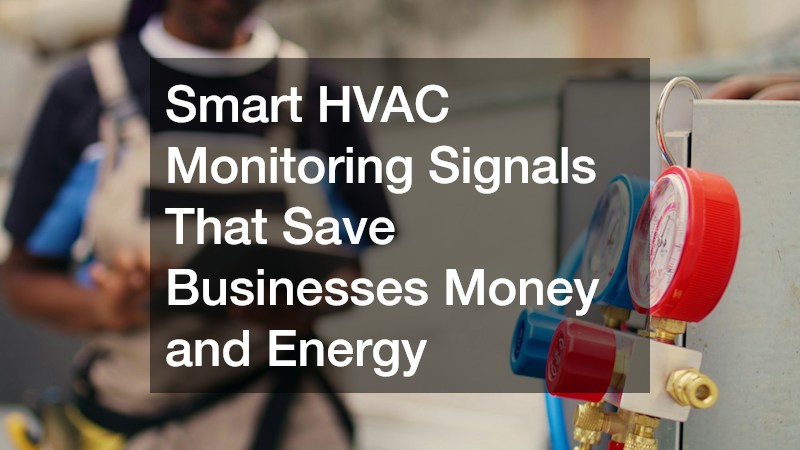
Every year, businesses lose thousands of dollars to HVAC systems that quietly run inefficiently long before they fail outright. The warning signs are often there weeks or months in advance, but without the right monitoring in place, they go unnoticed until energy bills spike or the system shuts down entirely. Understanding which signals actually matter can help you catch small problems before they become expensive disasters. This guide breaks down the key metrics and warning signs every business owner should know, even if you have no technical background in building systems.
Rising Energy Bills Without Added Usage
One of the clearest signals that something is wrong with your HVAC system is an unexplained jump in your utility bill. If your square footage, occupancy, and operating hours haven’t changed but your energy costs have climbed, the system is likely working harder than it should to maintain the same temperature. This often points to issues like dirty coils, failing compressors, or ductwork leaks that force the equipment to run longer cycles. Tracking monthly energy use against a baseline gives you an early warning system that’s easy to understand without any technical training.
Smart meters and submetering tools now make it simple to see energy consumption broken down by system or zone, rather than guessing from a single building-wide bill. This granular data helps pinpoint exactly which unit or area is driving costs up, rather than leaving you to troubleshoot the entire building at once.
- Compare current bills to the same month last year, not just the previous month
- Watch for gradual increases over several billing cycles, not just sudden spikes
- Check if weather changes fully explain the increase before assuming a system issue
- Ask your utility provider about free energy audits or usage breakdowns
Inconsistent Temperatures Across Different Zones
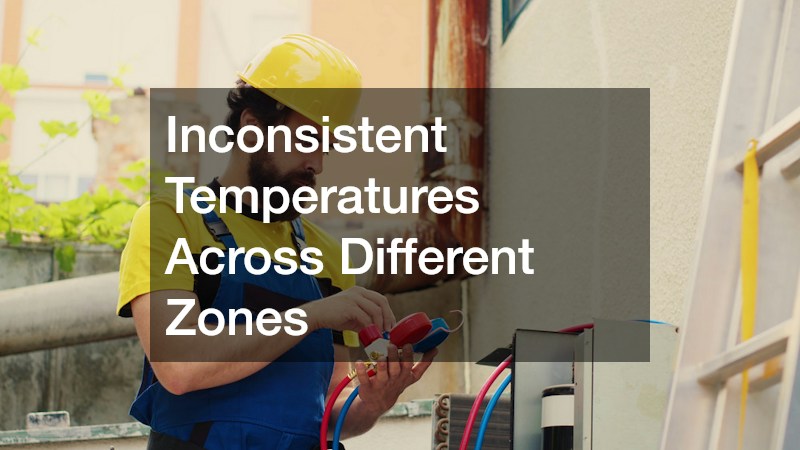
When some rooms feel comfortable while others run hot or cold, it usually means airflow isn’t being distributed correctly throughout the building. This can stem from blocked vents, failing dampers, or a thermostat that’s no longer reading the room accurately. Left unaddressed, uneven temperatures often lead to overcompensation, where the system runs constantly trying to satisfy a sensor that doesn’t reflect the actual conditions in most of the space. Smart sensors placed throughout a building can flag these discrepancies in real time, rather than relying on employee complaints as the only indicator.
Temperature swings also affect productivity and customer comfort, which carries its own financial cost beyond the energy bill itself. Employees who are too cold or too warm are less focused, and customers in retail or hospitality settings may cut visits short. Monitoring zone-by-zone performance helps you address comfort issues proactively rather than reactively.
Unusual Noises Coming From Rooftop Units
Grinding, squealing, or rattling sounds from rooftop or outdoor HVAC units are rarely harmless, even if the system still seems to be cooling or heating the space. These noises often indicate loose belts, failing bearings, or debris caught in the fan assembly, all of which can escalate into bigger mechanical failures if ignored. Catching these sounds early is one of the simplest ways to avoid a full system breakdown during peak business hours. If a technician flags unusual noise during a routine visit, it’s worth scheduling commercial HVAC repair promptly rather than waiting for the noise to worsen or the unit to fail completely.
- Grinding or squealing often points to belt or bearing wear
- Rattling can indicate loose panels or debris inside the unit
- Clicking that continues after startup may signal an electrical relay issue
- Hissing sounds may point to refrigerant leaks, which require immediate attention
Short Cycling and Frequent System Restarts
Short cycling happens when an HVAC unit turns on and off more frequently than normal, never completing a full heating or cooling cycle. A healthy commercial system typically runs for 10 to 20 minutes per cycle; if your equipment is kicking on and off every few minutes, that’s a clear sign something is wrong. This pattern wastes significant energy because the system uses the most power during startup, and frequent restarts multiply that cost many times over throughout the day. Several underlying issues commonly cause short cycling, and each points to a different fix. An oversized unit cools or heats the space too quickly and shuts off before properly dehumidifying or stabilizing the air. A malfunctioning thermostat may misread temperatures and trigger the system erratically, while a low refrigerant charge or dirty condenser coil can cause the compressor to overheat and trip safety switches. Clogged air filters and failing capacitors are other frequent culprits worth ruling out. Beyond wasted energy, short cycling puts extra mechanical stress on components like the compressor, contactors, and start capacitors, all of which are expensive to replace. A compressor that constantly restarts can wear out years ahead of schedule, turning a minor inefficiency into a five-figure repair bill. The strain also tends to compound: as parts degrade, cycles become even shorter and more frequent. Smart monitoring systems can log cycle frequency automatically, giving you concrete data instead of relying on guesswork or anecdotal reports from staff. Many platforms will flag abnormal cycling patterns in real time and alert facilities managers before a breakdown occurs, rather than waiting for a comfort complaint. Over weeks of data collection, these logs can also reveal whether the problem is constant or tied to specific conditions, like peak afternoon heat or a particular zone of the building.
Left unchecked, short cycling tends to shorten the overall lifespan of the equipment considerably. A unit that should last fifteen years might only make it ten if it’s constantly starting and stopping under strain. Each restart draws a surge of electrical current and forces components like the compressor and motor to work against resistance before settling into normal operation, and that repeated strain adds up fast. Smart monitoring systems can flag short cycling by tracking run-time intervals and alerting facility managers when cycles fall below five or ten minutes, well under the 15-20 minute range most systems need to run efficiently. Common culprits include an oversized unit, a dirty air filter restricting airflow, low refrigerant levels, or a faulty thermostat sensor giving inaccurate readings. Identifying which of these is at play early on means a simple filter change or sensor recalibration instead of a costly compressor replacement later. Addressing the root cause early protects both your energy budget and your long-term equipment investment. Businesses that catch short cycling within the first few weeks typically spend hundreds on repairs rather than thousands on emergency replacements, and they avoid the spike in utility costs that comes from equipment struggling to maintain temperature.
Declining Air Quality and Humidity Control
HVAC systems do more than control temperature; they also manage humidity and filter airborne particles throughout your building. When filters are clogged or humidity levels drift outside the normal range, it’s often a sign that airflow is restricted somewhere in the system. Sticky, damp air or a noticeable increase in dust on surfaces are both common indicators that the system isn’t performing as it should. Monitoring humidity levels alongside temperature gives a fuller picture of system health rather than looking at one metric alone.
- Indoor humidity above 60 percent can promote mold growth and musty odors
- Humidity below 30 percent often causes dry air complaints and static buildup
- Dusty vents or visible buildup on grilles suggest filters need attention
- Sudden changes in air quality can indicate a stuck damper or failing economizer
Staying ahead of HVAC problems doesn’t require becoming an expert in mechanical systems, just knowing which signals deserve your attention. Rising bills, uneven temperatures, strange noises, short cycling, and air quality shifts are all signs worth tracking consistently rather than dismissing as minor annoyances. The businesses that save the most money are the ones that act on these signals early rather than waiting for a full breakdown. Start by reviewing your last few energy bills and walking through your space to notice any of these warning signs firsthand.