Maintaining a commercial, industrial, or agricultural property requires constant vigilance. For facility managers, warehouse operators, and business owners across Eastern Nebraska, managing physical infrastructure is rarely a passive job. Between the extreme seasonal weather shifts—spanning freezing winter blizzards to sweltering summer humidity—and the day-to-day wear and tear of heavy equipment, commercial properties face continuous operational stress.
Too often, property maintenance is treated as a reactive task. A roof leak is patched only after water drips onto inventory; an aging furnace is serviced only when it stops heating during a cold snap; or a piece of heavy machinery is inspected only after a mechanical breakdown brings operations to a standstill. This reactive approach, while seemingly cost-effective in the short term, leads to unbudgeted expenses, severe operational downtime, elevated safety risks, and premature asset depreciation.
Transitioning to a strategic, proactive facility management model is one of the most effective ways to protect capital investments and secure long-term revenue. Modernizing building infrastructure does not mean tearing everything down and starting over. Instead, it involves targeted, high-impact capital upgrades across key areas of your property. By strengthening your building envelope, optimizing indoor climate controls, maintaining material handling assets, utilizing custom structural solutions, and keeping utilities compliant, you build an operational environment designed for efficiency and growth.
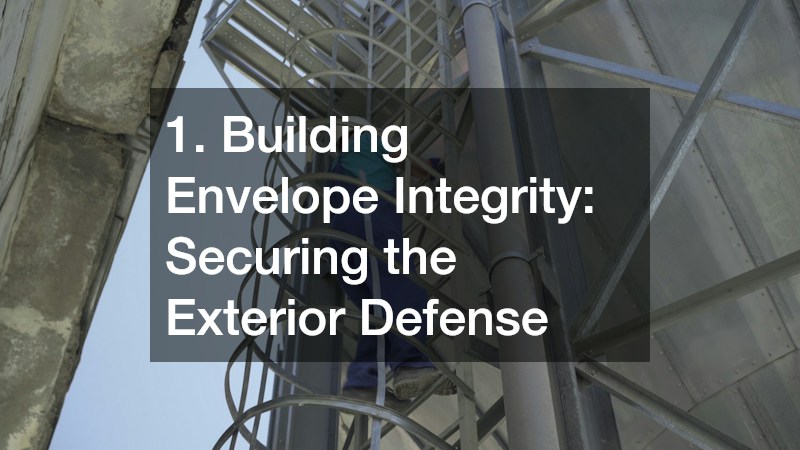
1. Building Envelope Integrity: Securing the Exterior Defense
The building envelope serves as your facility’s first line of defense against the elements. If your exterior envelope fails, everything inside—from expensive manufacturing machinery and raw inventory to administrative offices and safety equipment—is at risk. Prioritizing exterior structural improvements ensures that daily operations remain unimpeded regardless of weather conditions outside.
Implement Preventative Maintenance for Low-Slope Metal and Membrane Systems
Low-slope and flat roofs are standard across industrial facilities, but they require continuous oversight to perform effectively. Over time, UV radiation, hail storms, and thermal expansion cause membrane degradation, seam separation, and flashing fatigue. Water accumulation around scuppers and drains creates structural stress that can leak into interior workspaces.
-
Conduct regular biannual inspections: Focus heavily on parapet walls, roof penetrations, expansion joints, and membrane seams every spring and autumn.
-
Transition from spot repairs to restorative coatings: Applying elastomeric or silicone roof coatings can add up to 15 years of operational life to an existing membrane at a fraction of the cost of a full tear-off.
-
Address sub-surface moisture early: Utilize infrared thermal imaging to locate trapped water beneath the surface layer before structural decking succumbs to rot or rust.
When planning long-term capital investments, balancing routine maintenance with comprehensive commercial roofing services ensures that your facility stays leak-free and energy-efficient. Partnering with licensed commercial roofing services allows property managers to establish customized inspection schedules and maintain warranty coverage on heavy-duty roofing assemblies.
Upgrade Heavy-Duty Loading Bay Doors and Entry Portals
Loading bays are high-traffic access points that undergo hundreds of operational cycles every week. Aging or poorly aligned overhead doors allow conditioned air to escape, driving up energy costs while exposing interior workers to outside weather.
-
Install high-cycle, insulated sectional doors: Select insulated steel options with high R-values to maintain tight climate control across loading areas.
-
Inspect high-tension components regularly: Maintain strict lubrication and alignment schedules for counter-balance springs, heavy cables, and side tracks to prevent sudden mechanical jams.
-
Enforce door safety protocols: Install photo-electric eyes and automatic reverse sensors to protect workers and equipment during high-volume transport shifts.
When an overhead door malfunctions, it halts shipping and receiving workflows immediately. Scheduling regular visits from a certified commercial garage door repair specialist keeps counterweights aligned, tracks true, and motor drives running reliably, keeping daily logistics moving on schedule.
2. Strategic Environmental Control: Efficiency and Air Quality
Industrial climate control is about more than just employee comfort; it directly impacts product stability, sensitive electronics, machinery operation, and overall energy expenditure. Heating and cooling systems in large-scale properties represent a major portion of monthly operational costs, making HVAC upgrades a key target for ROI-driven management.
Modernize Climate Control Units for Energy Efficiency and Regional Durability
Aging rooftop units (RTUs) and split systems lose efficiency over time, leading to rising energy bills and inconsistent interior temperatures. Modern HVAC engineering offers variable-speed compressors, advanced economizers, and smart integration capabilities that adapt dynamically to load demands.
-
Calculate actual facility heat-load profiles: Before purchasing new equipment, ensure your heat-load calculations reflect current building square footage, insulation levels, and machinery heat output.
-
Prioritize high SEER2 and IEER ratings: High-efficiency units reduce peak electrical demand charges during hot summer months.
-
Set up automated economizer controls: Utilize outside air for cooling during mild spring and autumn days to lower compressor wear and reduce power consumption.
Navigating climate control needs requires local technical knowledge. Partnering with an experienced local commercial HVAC company ensures your heating, cooling, and ventilation infrastructure is properly sized, regularly serviced, and calibrated to handle Midwestern weather conditions.
Optimize Indoor Air Quality and Zoning for Industrial Warehouses
Large spaces often suffer from uneven temperature distribution, with warm air rising toward high ceilings while working floors remain cold. Furthermore, industrial processes produce airborne dust, fumes, and moisture that must be filtered to keep workspaces safe and compliant.
-
Implement destratification fans: Ceiling-mounted high-volume, low-speed (HVLS) fans circulate trapped overhead heat back down to worker levels, reducing winter heating bills significantly.
-
Establish multi-zone climate control: Separate office areas from production floors using motorized dampers and smart programmable thermostats to prevent heating or cooling empty spaces.
-
Upgrade filtration media: Replace basic fiberglass filters with high-MERV pleated filters or specialized particulate capture units to preserve worker respiratory health.
Establishing a long-term contract with a full-service commercial HVAC company allows facility managers to delegate filter replacements, belt tensioning, duct cleaning, and refrigerant monitoring to qualified technicians, extending equipment life and reducing emergency repair costs.
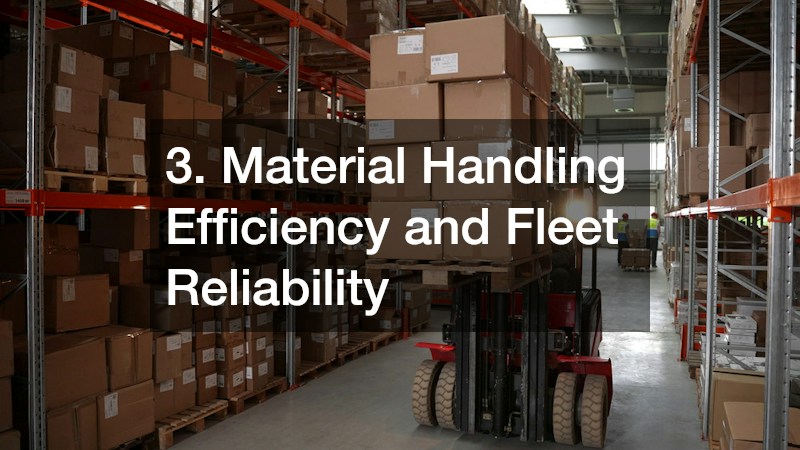
3. Material Handling Efficiency and Fleet Reliability
Inside an industrial warehouse or production plant, material handling equipment serves as the engine of operations. Whether moving pallets of raw materials, loading flatbed trailers, or stacking finished goods, material handling machinery must operate safely and continuously.
Establish Proactive Servicing Schedules for Warehouse Lift Fleets
Forklifts, order pickers, and reach trucks operate under heavy loads and harsh conditions. Relying solely on breakdown repairs results in unplanned downtime, rental costs, and potential safety hazards for operators.
-
Base service intervals on operating hours: Schedule hydraulic fluid changes, brake inspections, and battery tests based on hour-meter readings rather than arbitrary calendar dates.
-
Implement mandatory pre-shift checks: Provide operators with standardized checklists covering tire condition, fork wear, fluid levels, seat belt functionality, and horn operation.
-
Maintain detailed maintenance logs: Track repair history per vehicle to identify chronic mechanical issues and determine optimal replacement timing.
Having a dedicated forklift mechanic conduct routine mechanical checks ensures that wear items like mast chains, hydraulic hoses, and steering linkages are replaced before they lead to structural or mechanical failures on the warehouse floor.
Reorganize Material Flow and Floor Infrastructure for Heavy Loads
Equipment reliability relies heavily on floor conditions. Cracked concrete, uneven expansion joints, and cluttered aisles accelerate tire wear, loosen chassis hardware, and increase collision risks.
-
Repair floor joints and spalls: Fill cracked concrete expansion joints with flexible epoxy fillers to create smooth transit paths for hard-rubber lift tires.
-
Delineate dedicated travel lanes: Use high-visibility floor tape or epoxy paint to separate foot traffic from heavy machinery zones.
-
Protect storage racks with impact guards: Install heavy-gauge steel upright protectors and end-of-aisle bollards to absorb impacts from turning machinery.
4. Custom Fabrication and Structural Reinforcements
Commercial facilities frequently require structural modifications to accommodate new machinery, expand vertical storage capacity, or satisfy unique operational requirements. Off-the-shelf components rarely fit the precise dimensions or load requirements of growing industrial operations, making custom metalwork a valuable tool for facility upgrades.
Integrate Precision Steel and Metal Components into Facilities
Maximizing existing building footprints often means expanding upward rather than outward. Building internal structural platforms, custom stairways, and heavy-duty staging areas helps facilities scale up without adding exterior square footage.
-
Construct mezzanine storage platforms: Add freestanding structural steel mezzanines to convert unused overhead space into operational work areas or parts storage.
-
Install specialized safety platforms: Place custom catwalks, handrails, and toe-boards around overhead equipment to simplify maintenance access for service technicians.
-
Protect building assets with custom bollards: Position heavy-duty steel bollards filled with concrete around electrical panels, gas lines, and building corners.
When structural changes are needed, working with specialists in commercial metal fabrication ensures that every custom beam, bracket, platform, or enclosure is engineered to carry exact load weights and meet relevant safety codes.
Retrofit External Structures for Harsh Weather Resilience
Exterior metal features, including rain canopies, loading dock ramps, and equipment enclosures, face constant environmental exposure. Upgrading these components with heavy-gauge materials helps prevent storm damage and extends asset longevity.
-
Install heavy-duty metal canopies: Shield loading bays and exterior staging areas from snow, ice, and heavy rain to simplify year-round material handling.
-
Enclose exterior machinery: Construct ventilated metal enclosures around exterior pumps, air compressors, and backup generators to protect them from weather and unauthorized access.
-
Reinforce roof access ladders: Upgrade exterior ladder assemblies with safety cages and lockable security gates to manage access to roof platforms.
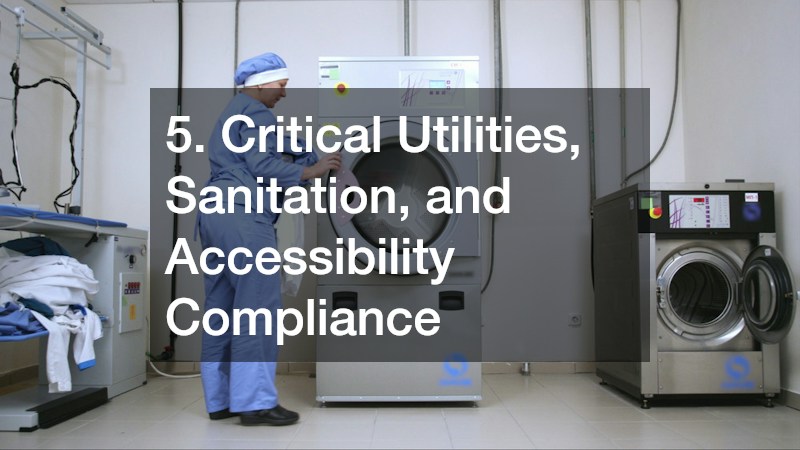
5. Critical Utilities, Sanitation, and Accessibility Compliance
A facility’s underlying infrastructure—its electrical layout, waste processing systems, and accessibility entryways—forms the backbone of daily operations. Upgrading these essential utility systems ensures regulatory compliance, supports higher operational loads, and provides safe access for all employees, clients, and vendors.
Modernize Facility Electrical Infrastructure to Support Automation
As facilities adopt automated equipment, heavy-duty compressors, and advanced packaging systems, legacy electrical panels can quickly become overloaded. Underpowered electrical grids lead to voltage drops, tripped breakers, and heightened electrical fire risks.
Complex facility upgrades demand certified expertise. Contracting a qualified commercial electrical service ensures that panel upgrades, heavy equipment wiring, high-bay LED light retrofits, and backup generator installations align with the National Electrical Code (NEC).
Manage High-Capacity Wastewater Systems and ADA Accessibility
Proper sanitation management and physical accessibility are vital components of facility compliance. Rural and semi-rural industrial sites often rely on self-contained waste management setups that require regular maintenance to remain functional and compliant.
For rural facilities, partnering with experienced technicians for commercial septic services prevents costly drain-field failures, backups, and environmental compliance issues that can temporarily close a business.
At the same time, expanding accessibility is essential for both compliance and community engagement. Investing in a professional commercial wheelchair ramp installation ensures your facility entry points feature proper slopes, continuous handrails, level landings, and non-slip surfaces for safety during icy conditions.
Building a Prioritized Modernization Strategy
Attempting to update every system within a commercial or industrial building at once can overwhelm maintenance budgets and disrupt ongoing daily operations. A structured, phased modernization plan allows facility managers to address urgent safety and operational risks first while systematically planning long-term capital investments.
Phase 1: Immediate Safety and Envelope Audits
Begin by assessing systems that protect the facility from immediate damage or present legal liabilities. Conduct a thorough roof inspection to find active or latent leaks, check overhead loading doors for worn mechanical components, and inspect primary access points to ensure physical accessibility standards are met. Addressing these foundational items prevents minor structural issues from compounding into expensive structural repairs.
Phase 2: Utility Capacity and Heavy Equipment Evaluation
Review your current electrical service capacity and waste processing systems to verify they can support planned machinery acquisitions or operational expansions. Simultaneously, evaluate material handling equipment usage logs to determine whether your fleet requires routine preventative maintenance or complete mechanical overhauls to maintain continuous output.
Phase 3: Energy Efficiency and Structural Optimization
Once core safety and utility systems are secure, focus on ROI-generating improvements. Upgrade aging HVAC units with high-efficiency systems, install destratification fans in warehouse bays, and retrofit high-bay spaces with custom steel mezzanines or safety catwalks. These investments deliver ongoing energy savings and maximize existing floor space without expanding the building’s physical footprint.
Using This Guide for Commercial Properties
Managing a modern commercial or industrial facility requires a long-term commitment to infrastructure health. Capital investments made in your building envelope, indoor climate controls, fleet maintenance, structural layout, and core utilities are directly tied to your company’s operational capacity and bottom line. Protecting your inventory from severe weather, keeping material handling fleets moving smoothly, optimizing monthly utility bills, and maintaining full regulatory compliance all stem from proactive planning.