
Managing a commercial property involves balancing countless operational details to ensure safety, efficiency, and long-term asset value. Whether overseeing an office complex, a busy retail center, or a warehouse facility, property managers must remain consistently vigilant. A comprehensive facility maintenance strategy goes far beyond simple cosmetic upgrades; it creates a secure environment for occupants, preserves asset value, and prevents unexpected operational downtime. When maintenance is neglected, minor structural or mechanical issues can quickly snowball into expensive emergency repairs that disrupt daily business. To avoid these costly surprises, experienced operators rely on structured, proactive planning rather than reactive problem-solving. This requires coordinating everything from physical structures to administrative support workflows. For instance, ensuring that internal maintenance crews are supported by modern HR services helps establish clear safety training guidelines and organizational protocols. A year-round checklist distributes the operational workload evenly across the seasons, allowing for predictable budgeting and efficient vendor coordination. By breaking facility care down into manageable seasonal tasks, property managers can systematically address wear and tear before it creates a liability. This ultimate guide outlines a practical roadmap for maintaining peak operational performance from January through December. It provides the essential frameworks needed to protect your physical investments, optimize daily utility expenses, and elevate tenant satisfaction levels across the board.
Managing Core Infrastructure and Administrative Workflows
While the physical exterior of a building commands immediate attention, the digital infrastructure operating behind the scenes is equally vital for modern commerce. Property managers must protect their valuable real estate investments across all facility types by maintaining reliable connectivity channels. Establishing a relationship with a premier broadband internet provider is a critical first step in building a reliable operational foundation for any commercial property. A sudden drop in network connectivity can stall business operations entirely, leading to frustrated tenants and lost revenue. Therefore, facility managers must carefully monitor the physical pathways that carry these communication lines into the building. Telecom closets should be kept clean, dust-free, and properly ventilated to prevent expensive server hardware from overheating. Regular inspections of data cabling and network hardware ensure that the physical infrastructure remains intact and capable of handling high data volumes. Integrating digital connectivity audits into the standard facility checklist enhances the property’s overall appeal to premium tenants who view stable internet as an absolute necessity. By treating digital connectivity with the same urgency as traditional utilities like water and electricity, property managers ensure the building is fully equipped to support modern business needs. This proactive focus reduces tenant turnover and prevents unexpected communication blackouts that damage brand reputations.
Spring Exterior Inspections and Structural Care
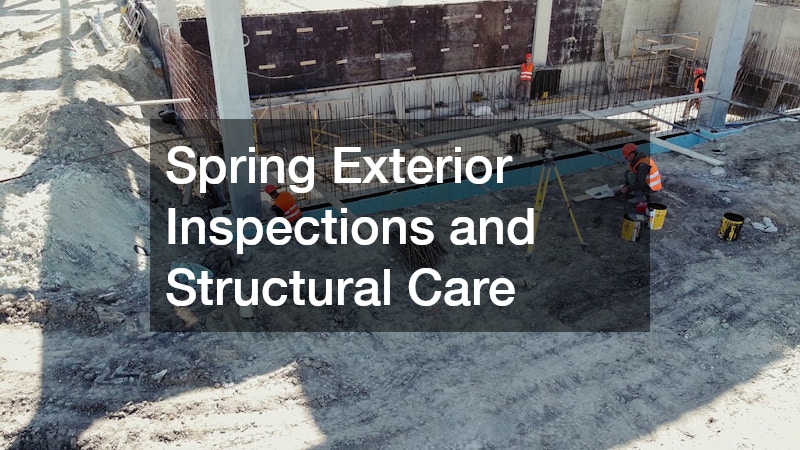
As winter weather recedes, the arrival of spring brings an ideal opportunity to assess the exterior envelope of the building. Freezing temperatures, heavy snow accumulation, and ice dams can inflict silent damage on rooftops, which may go unnoticed until heavy spring rains arrive. Property managers should prioritize detailed rooftop inspections to check for damaged flashing, punctured membranes, and blocked drainage paths. Early detection allows facilities to schedule professional roof repairs before moisture infiltrates structural insulation. Beyond the roofline, gutters and downspouts must be thoroughly cleared of debris to ensure heavy rainfall is channeled safely away from the building foundation. Ground-level inspections should focus on parking lots, concrete sidewalks, and loading docks to identify cracks or potholes caused by winter freeze-thaw cycles. Repairing these paved surfaces early in the year eliminates trip hazards and protects vehicles from damage. Spring is also the time to inspect exterior irrigation lines, test backflow preventers, and prepare landscaping beds for the upcoming growing season. Taking proactive steps during the spring months establishes a resilient defensive barrier that protects the building interior for the rest of the year. Addressing these structural concerns early prevents small leaks from compromising internal drywall, electrical wiring, and expensive tenant assets.
Enhancing Curb Appeal and Surface Protection
The exterior appearance of a commercial property acts as its visual calling card, shaping the first impressions of visitors, clients, and prospective tenants. Continuous exposure to intense sunlight, wind-driven rain, and airborne pollutants will inevitably cause exterior surfaces to fade, chip, or peel over time. Partnering with an experienced painting company during the mild spring or early summer months can dramatically restore a property’s appearance while providing an essential layer of weather protection. Industrial-grade coatings do far more than improve aesthetics; they seal porous surfaces against moisture, inhibit rust on structural ironwork, and shield siding from UV degradation. Property managers should carefully examine external walls, window trim, structural supports, and primary entryways to identify where fresh protective coatings are most urgently required. Interior common areas also benefit from paint touch-ups to maintain a professional ambiance. Combining routine painting with professional power washing removes deep-seated grime and ensures the building looks well-managed. Investing in surface finishes preserves the underlying materials, reduces long-term structural degradation, and upholds the property’s market value over time. A vibrant, well-maintained facade directly influences property appraisal values and positions the asset favorably against competing commercial spaces in the local market.
Summer Climate Control and System Optimization
As summer temperatures rise, internal cooling systems face their heaviest operational burdens of the entire year. A sudden failure of cooling equipment during a severe heatwave can disrupt business activities, spoil temperature-sensitive inventory, and create unsafe conditions for occupants. Implementing a rigorous preventative maintenance routine for the building’s commercial HVAC systems ensures that all compressors, fans, condensers, and electrical connections function perfectly under heavy loads. Specialized technicians should verify refrigerant levels, clean fouled condenser coils, lubricate moving parts, and recalibrate digital thermostats to prevent energy waste. Regular filter changes maintain indoor air quality and ensure unrestricted airflow. Property managers can also utilize smart building automation systems to monitor temperature variances across different zones, optimizing cooling schedules for evenings and weekends when occupancy is low. Addressing these mechanical needs early in the season prevents sudden breakdowns, extends the operational life of expensive machinery, and keeps utility costs manageable during periods of peak electrical demand, maintaining consistent interior comfort for everyone inside. Consistent climate monitoring also protects sensitive digital laboratory equipment and localized server clusters from experiencing heat-related failures.
Advanced Solar Shading and Glass Preservation
While mechanical systems work tirelessly to cool interior spaces, addressing solar heat gain at the glass surface can significantly lower the overall mechanical workload. Expansive windows are highly desirable for providing natural light, but they also allow massive amounts of infrared heat and ultraviolet rays to enter the building. Applying high-performance commercial window film to exterior glass panels is an excellent, cost-effective method for controlling this thermal energy transfer. This specialized laminate reflects solar radiation away from the glass, reducing uncomfortable hot spots in perimeter offices and easing the strain on cooling systems. Beyond lowering monthly electricity costs, sun-control films protect interior assets like office furniture, flooring, and digital displays from fading due to intense UV exposure. Reduced glare also enhances workplace productivity without sacrificing outdoor views. Property managers should include window glass inspections in their summer routine, checking for edge peeling or bubbling to ensure the film continues to deliver optimal thermal insulation and long-term energy savings for the facility. Additionally, upgrading glass surfaces with protective films improves shattering resistance, offering an extra layer of structural safety during severe summer storms and high-wind events.
Autumn Security and Boundary Maintenance
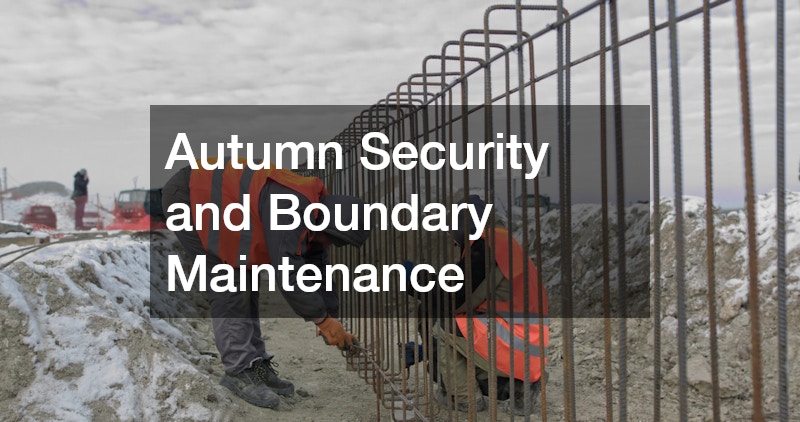
The arrival of autumn brings shorter daylight hours and cooler air, signaling the time to shift operational focus toward perimeter security and winter preparation. A well-defined, secure boundary is essential for protecting commercial assets, deterring unauthorized entry, and ensuring the safety of personnel arriving or leaving after dark. Property managers should conduct a thorough walkthrough of the property lines to inspect all boundary lines, gates, and retaining walls for physical wear or vulnerabilities. Working with a professional fence company allows for the timely repair or replacement of damaged chain-link, wrought iron, or wood barriers that may have weakened over the seasons. Ensuring that security gates close tightly, align correctly, and lock automatically prevents unauthorized access to private loading docks and parking areas. Trimming overhanging branches prevents limbs from falling onto fences during autumn windstorms. Clearing low-hanging brush along the perimeter improves line-of-sight visibility for security personnel and eliminates blind spots on surveillance cameras, keeping the property fully secured ahead of winter’s onset. Strengthening these physical barriers during the calm autumn months provides peace of mind before extreme weather complicates outdoor construction projects.
Modern Building Access and Perimeter Defense
While physical fencing secures the outer boundary, controlling access into the actual structures requires advanced technological solutions at every entry point. Traditional lock-and-key methods are increasingly difficult to manage efficiently in dynamic commercial environments characterized by shifting staff schedules and frequent vendor visits. Transitioning to modern access control solutions, such as proximity cards, biometric readers, or mobile credential apps, grants property managers precise authority over building entry points. These systems allow administrators to issue or revoke credentials instantly, track real-time occupancy logs, and restrict entry to sensitive zones like server rooms or inventory storage. Autumn provides an ideal window to test these electronic access points, inspect backup battery systems, and ensure that fail-secure mechanisms function correctly during power anomalies. Emergency egress hardware must operate smoothly from the inside while remaining secure from the exterior. Integrating electronic access with existing alarm systems and video cameras creates a cohesive defense network that safeguards personnel and intellectual property around the clock. This digital oversight simplifies corporate auditing requirements and enhances compliance across regulated business sectors.
Winter Safety and Environmental Hazard Management
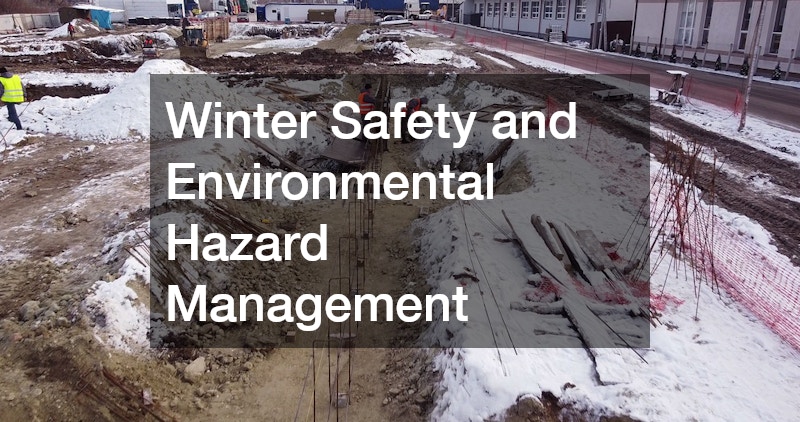
Winter introduces severe environmental challenges that demand prompt action to ensure safety and limit liability on commercial premises. Accumulations of ice and snow create immediate hazards across parking lots, pedestrian pathways, loading ramps, and building entrances. Securing a reliable contract with a professional provider of commercial snow removal before the first freeze ensures that clearing crews arrive promptly when winter storms hit. Delayed clearing operations can lead to serious slip-and-fall injuries, vehicular accidents, and costly disruptions to business deliveries or customer arrivals. Property managers must designate specific staging areas where accumulated snow can be piled without obstructing lines of sight, drainage inlets, or accessible parking spaces. Additionally, regular applications of specialized ice-melt compounds help keep high-traffic walkways free of dangerous ice patches during rapid temperature shifts. Indoors, heavy-duty entry mats trap tracked-in moisture, slush, and salt, maintaining dry lobby floors and preventing dangerous indoor slip hazards throughout the winter. Clear communication channels with winter dispatch teams guarantee that the property remains accessible and functional even during unexpected blizzards.
Technical Continuity and System Resilience
While exterior snow removal preserves physical access to the building, severe winter storms also threaten the technical systems that keep an enterprise running. Power surges, grid failures, and frozen utility conduits can cause unexpected outages that endanger localized servers and critical data storage systems. Working closely with an experienced IT managed services team helps protect a commercial facility’s digital assets from winter weather disruptions and external cyber threats. These technology professionals implement automated off-site backups, monitor network health continuously, and maintain redundant power infrastructure to prevent data loss during power fluctuations. They also secure remote access tools for employees working from home during severe storms. Winter facility maintenance must include routine testing of emergency backup generators to confirm they have adequate fuel and can seamlessly assume electrical loads during a blackout. Combining physical building preparations with proactive digital management ensures total operational resilience against the harshest elements of winter. This integrated defense model keeps tenant systems active, protecting proprietary operational records from corruption or sudden system crashes.
Achieving Long-Term Operational Excellence
Effectively managing a commercial property requires a dedicated, year-round commitment to proactive upkeep and strategic planning. From the digital networks driving daily communication to the physical barriers protecting the property line, every asset requires consistent oversight. Utilizing a comprehensive, seasonal maintenance checklist helps facility managers transform a complex series of tasks into a predictable, highly organized operation. This structured approach significantly reduces emergency repair expenditures, boosts tenant satisfaction, and extends the operational lifespan of major structural investments. Partnering with specialized professionals ensures that the building remains entirely safe, compliant, and optimized for business success. A well-maintained facility provides a stable environment where businesses can operate confidently through every season. Ultimately, consistency is the key differentiator between a deteriorating asset and a thriving, highly profitable commercial space. Property managers who invest time into drafting and refining these seasonal checklists establish a sustainable operational standard that benefits owners, tenants, and visitors alike for decades to come.