
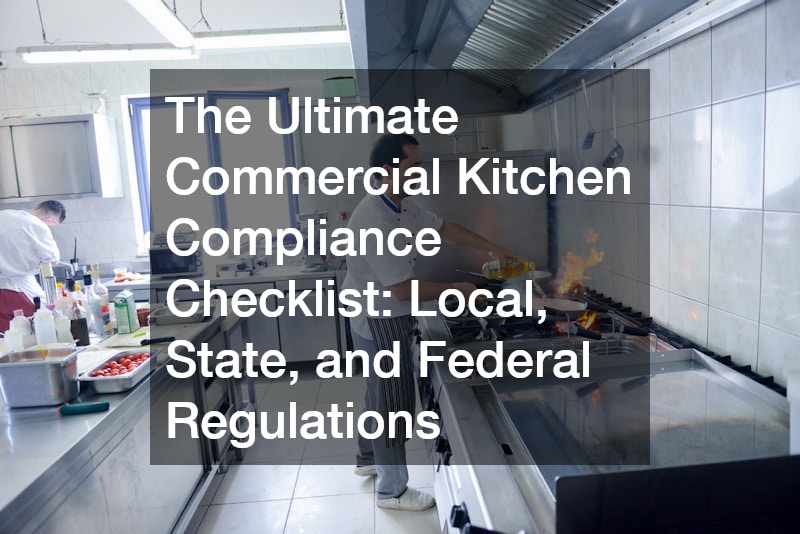
Running a modern restaurant requires juggling dozens of operational tasks simultaneously. From crafting menus to managing labor costs, operators face constant pressure to perform. However, behind front-of-house hospitality lies a dense network of rules designed to protect public health and safety. Navigating these requirements can be overwhelming for new owners and seasoned operators alike. A single oversight during a routine inspection can result in costly fines, operational suspensions, or permanent brand damage. To avoid these pitfalls, management teams must approach compliance as an ongoing operational strategy rather than a last-minute scramble. Ensuring that every piece of infrastructure meets local, state, and federal criteria is the only reliable path to long-term business survival. Establishing a comprehensive framework for tracking these regulations saves time and protects the financial health of the business. By understanding what inspectors look for, managers create a safe working environment. A properly managed commercial kitchen serves as the foundation for this operational excellence, requiring systematic attention to detail across every square foot.
Understanding the Regulatory Landscape
Compliance in the food service sector is complex because it involves multiple layers of government oversight. Federal agencies set broad baseline standards that focus on labor safety, environmental protection, and national food supply integrity. For instance, the Food and Drug Administration issues the Food Code, which acts as a guide for safeguarding public health. Meanwhile, the Environmental Protection Agency monitors waste disposal, and the Occupational Safety and Health Administration regulates workplace conditions to prevent employee injury. State governments adopt or modify these federal models to fit regional needs, passing enforcement down to county or municipal boards. Local health departments, municipal utility authorities, and city fire marshals serve as the frontline inspectors who walk through the doors. Because local ordinances can be stricter than federal baselines, operators must prioritize local building and health codes above all else. This structure means that facility management cannot rely on generalized checklists found online. Instead, they must build an operational plan that satisfies the specific inspector who holds the power to sign off on their business license. Keeping detailed logs of all maintenance activities is the most effective way to demonstrate continuous compliance during audits.
Fire Safety Codes and Early Warning Protection
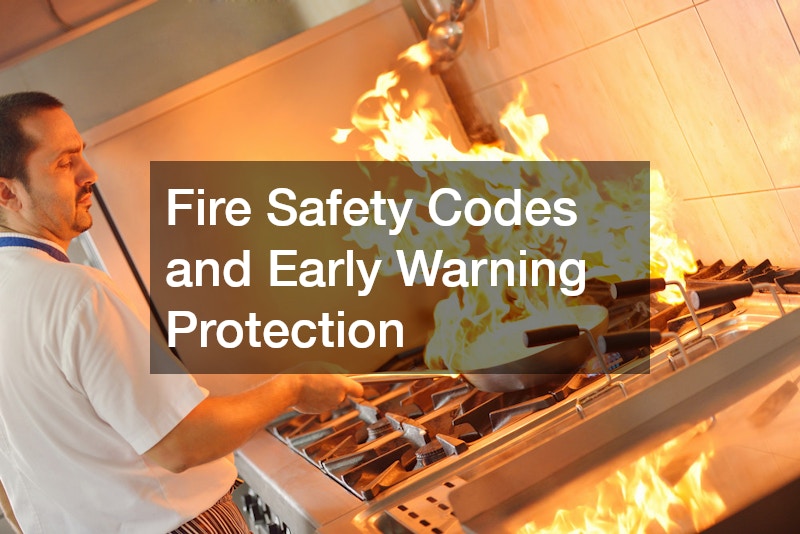
Kitchen fires represent a major hazard due to open flames, high temperatures, and flammable cooking mediums. To protect lives and property, municipal fire codes mandate strict adherence to National Fire Protection Association guidelines. Among these, the implementation of a fully functional, monitored fire alarm system is non-negotiable for commercial properties. This setup must be hardwired into the building infrastructure and linked to a central monitoring station that instantly alerts emergency services the moment smoke or excessive heat is detected. Local fire marshals require regular professional testing of these systems, usually on an annual or semi-annual basis, to verify that every pull station, horn, strobe light, and control panel functions flawlessly. Additionally, managers must maintain clear documentation of these inspections in an easily accessible folder for immediate review during surprise visits. Neglecting these detection systems invites severe regulatory penalties and also jeopardizes commercial insurance coverage. Maintaining clear paths to emergency exits and keeping electrical panels unobstructed are vital components of this protective tier, ensuring that occupants can evacuate safely if an emergency arises.
Active Suppression and Emergency Equipment Protocols
While detection systems alert occupants, active suppression systems contain a flare-up before it spreads. Handheld safety devices must be distributed strategically throughout the cooking and storage spaces in compliance with NFPA 10. Inspectors look closely at the placement, classification, and maintenance status of all fire extinguishers located within the facility. Because kitchen environments deal heavily with oils and fats, standard water or carbon dioxide units are insufficient. Specialized Class K units must be mounted within a specific walking distance of the cooking line. These devices use a wet chemical agent that cools and smothers high-temperature cooking grease fires through a process called saponification. Every unit must be inspected monthly by internal staff to verify pressure levels and physical integrity, and certified annually by a licensed professional technician who attaches a dated compliance tag. Employees must receive documented training on how to operate these devices under stress. Failing to maintain these visible, functional safety lines is a common reason for immediate inspection failure, as it impacts workplace safety and emergency readiness.
Ventilation Codes and Airflow Cleanliness
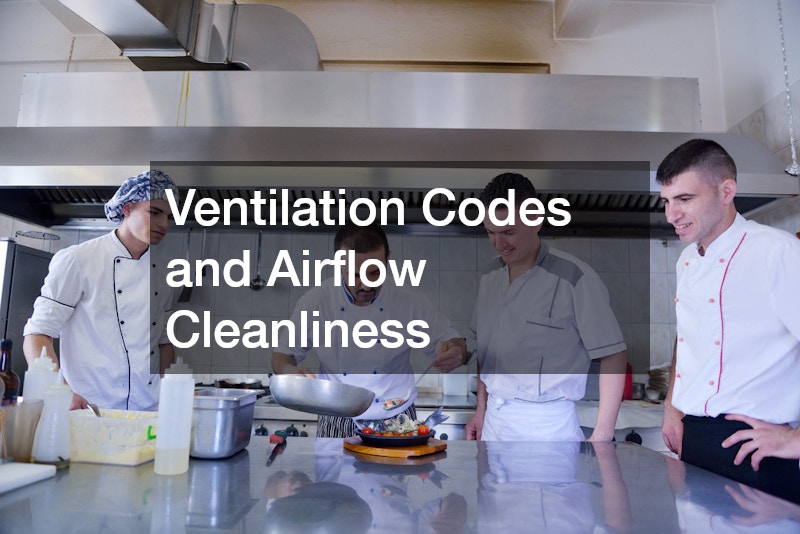
The ventilation system removes heat, steam, smoke, and airborne grease particles from the workspace. Because cooking grease is highly flammable, the ductwork and containment hoods above stoves and fryers present a persistent fire risk if left unmanaged. NFPA 96 sets the international standard for ventilation control and fire protection in commercial cooking operations, requiring systematic cleaning schedules based on the volume of food produced. Booking a certified professional team for a thorough restaurant exhaust hood cleaning is an absolute requirement that inspectors verify by checking maintenance receipts and looking for updated compliance stickers placed on the hood itself. This process involves scraping and pressure washing the entire system down to the bare metal, covering the hoods, the internal filters, the horizontal and vertical duct runs, and the rooftop exhaust fan. Solid fuel cooking setups, like wood-fired pizza ovens, require monthly cleanings, while high-volume frying operations typically require quarterly attention. Ignoring this schedule allows grease to build up inside hidden ductwork, creating a severe fire hazard. Keep detailed operational receipts to prove compliance.
Temperature Control and Cold Storage Rules
Moving from fire safety to health and sanitation, the management of perishable food inventory is heavily regulated by state health departments operating under FDA guidance. To prevent the rapid multiplication of foodborne pathogens, establishments must maintain strict control over their cold storage systems. Operators rely on heavy-duty commercial refrigeration units to keep volatile items like meats, dairy, and seafood out of the danger zone, which lies between 41 and 135 degrees Fahrenheit. Health inspectors inspect these units to ensure they hold an internal temperature of 40 degrees Fahrenheit or lower, while freezers must keep food solidly frozen. Walk-in coolers and reach-in units must be equipped with visible, calibrated thermometers so staff can monitor and log temperatures multiple times a day. Beyond temperature metrics, structural compliance requires that all food shelves be made of non-corrosive, easily cleanable materials and positioned at least six inches off the floor to allow for proper sanitation and pest control access. If a refrigeration system malfunctions or fails to maintain required temperature logs, inspectors have the authority to condemn the affected inventory on the spot, resulting in thousands of dollars in lost product.
Supply Chain Standards and Safe Product Receiving
The commitment to food safety does not begin when the ingredients enter the building. It starts the moment they are harvested, processed, and transported. Regulatory agencies expect operators to vet their suppliers and confirm that the inbound supply chain preserves product integrity. This focus on safe transit is a core component of modern food logistics systems, where refrigerated trucks must maintain specific temperature controls throughout their entire journey to prevent spoilage. When a delivery arrives at the loading dock, receiving staff must inspect the vehicle’s temperature logs, check the physical condition of the packaging, and reject any shipments that show signs of thawing or cross-contamination. Federal regulations under the Food Safety Modernization Act require comprehensive traceability for high-risk ingredients, meaning that managers must keep detailed records of where their food came from and when it was received. If an outbreak of foodborne illness occurs, health authorities demand these logs to trace the contamination back to its source. By ensuring that incoming inventory is handled safely during transit, an establishment protects its guests from invisible hazards long before the cooking process begins.
Water Quality and Ice Machine Cleanliness

Clean water is the lifeblood of any food service facility, utilized for ingredient preparation, cooking, ice production, dishwashing, and customer beverages. Municipal water supplies meet federal standards, but responsibility shifts to the operator once water enters the property. To guarantee that water used in food preparation remains entirely free of contaminants, mineral scale, and heavy metals, many facilities install an industrial water purifier system on their main lines. These filtration systems are critical for ice machines and beverage dispensers, where built-up bacteria or mineral deposits can directly compromise food safety and equipment functionality. Health inspectors look closely at water lines to ensure there are no cross-connections or backflow issues that could introduce wastewater into the clean water supply. Backflow preventers must be tested annually by a certified plumber, and water filtration cartridges must be replaced according to a strict manufacturing schedule. Keeping these systems clean ensures that beverages and ice serve as clean, safe products rather than vectors for waterborne illness or off-putting flavors that alienate clientele.
Wastewater Interceptors and Solid Waste Prevention
Managing what goes down the drain is just as heavily regulated as what comes out of the clean water lines. Municipal utility authorities enforce strict environmental and plumbing codes to protect the city’s sewage treatment infrastructure from damage caused by fats, oils, and grease. When hot grease is washed down a kitchen sink, it cools and solidifies inside the sewer pipes, causing blockages known as fatbergs that can back up into the facility or spill into local waterways. To prevent this, local ordinances require the installation and regular maintenance of grease traps or interceptor systems designed for efficient grease removal before wastewater enters the public grid. Inspectors regularly audit these systems to confirm that they are sized correctly for the facility’s output and are cleaned out before the accumulated grease layers exceed 25 percent of the tank’s capacity. Operators must maintain a certified manifest log showing exactly when the interceptor was pumped out and by which licensed waste management company. Neglecting this maintenance leads to severe municipal fines, environmental citations, and structural plumbing back-ups that can temporarily shut down a business.
Maintaining Free-Flowing Drainage Infrastructure

In addition to managing grease interceptors, facilities must maintain their interior drainage network to prevent standing water and unsanitary back-ups in prep areas. Floor drains located under sinks, dishwashers, and cooking lines are frequent targets for health inspections because they can become breeding grounds for drain flies, mold, and dangerous bacteria like Listeria. Regulations require that these drains be fitted with proper grates and removable strainers to catch large food particles before they enter the waste stream. Routine, preventative drain cleaning must be scheduled to clear organic slime and debris that inevitably slips past the surface strainers. Health inspectors check for slow-draining water or foul odors, both of which indicate an underlying blockage that threatens kitchen sanitation. Utilizing enzymatic cleaners or professional hydro-jetting services keeps these lines clear without damaging the plumbing infrastructure or violating environmental regulations regarding chemical usage. Ensuring that wastewater flows away from food preparation areas instantly is a fundamental requirement for maintaining a sanitary, compliant workspace that passes inspection.
Environmental Compliance and Waste Byproduct Recycling
The final component of a comprehensive kitchen compliance strategy involves the responsible disposal of cooking byproducts that cannot be washed down drains or thrown into standard garbage dumpsters. Spent frying oil falls squarely into this category, as environmental regulations strictly prohibit dumping liquid oil into landfills or open soil. Municipal and federal environmental protection agencies require establishments to store waste oil in heavy-duty, leak-proof containment tanks located away from storm drains. To handle this material legally, businesses must contract with a certified service provider for scheduled used oil collection and processing. These recycling companies empty the holding tanks and transport the oil to facilities where it is purified and converted into valuable industrial products like biodiesel fuel. Inspectors regularly ask to see collection manifests to verify that the waste oil is being handled by a licensed recycler rather than dumped illegally. Proper storage containment also prevents exterior pest infestations and eliminates slip-and-fall hazards on loading docks, satisfying both health department sanitation standards and OSHA workplace safety requirements.
The Long-Term Benefits of Strict Compliance Maintenance
Maintaining compliance may feel challenging, but it offers advantages beyond passing inspections. A facility that systematically tracks its structural safety, plumbing health, and refrigeration metrics operates with far greater efficiency and experiences significantly less equipment downtime. Regular system maintenance protects expensive physical assets from premature failure, reducing capital expenditures over time. Furthermore, a visible commitment to safety and cleanliness builds strong morale among employees, who appreciate working in a well-managed environment. When an inspector arrives unannounced, a calm, organized presentation of up-to-date service logs immediately sets a positive tone for the entire audit. This professional transparency demonstrates that the management values operational excellence and regulatory integrity on a daily basis, establishing a strong, positive relationship with local enforcement boards. Ultimately, proactive compliance is a true investment in the longevity and reputation of a food service brand, ensuring that the doors stay open, the staff stays safe, and the customers continue to enjoy high-quality dining experiences with absolute peace of mind.