Serious job site accidents can change a person’s life in seconds. Medical bills begin to pile up. Time away from work creates financial strain. In more severe cases, long-term disability or paralysis may completely alter daily living. During moments like these, many people are unsure where to turn or what legal steps to take next. This is where experienced workers’ comp lawyers and a skilled personal injury lawyer step in.
While both focus on helping injured individuals, their roles differ significantly. Workers’ comp lawyers specialize in navigating the complexities of workers’ compensation claims, ensuring that victims receive the benefits they legally deserve. On the other hand, personal injury lawyers advocate for those seeking compensation beyond workers’ compensation, particularly in cases involving negligence or third-party liability. When they work together, they create a stronger path forward for those dealing with complex workplace injuries, fighting to secure maximum compensation that covers medical expenses, lost wages, and pain and suffering. With their guidance, injured workers can focus on recovery, knowing their legal matters are being handled effectively.
Understanding the Difference Between Workers Compensation and Personal Injury Claims
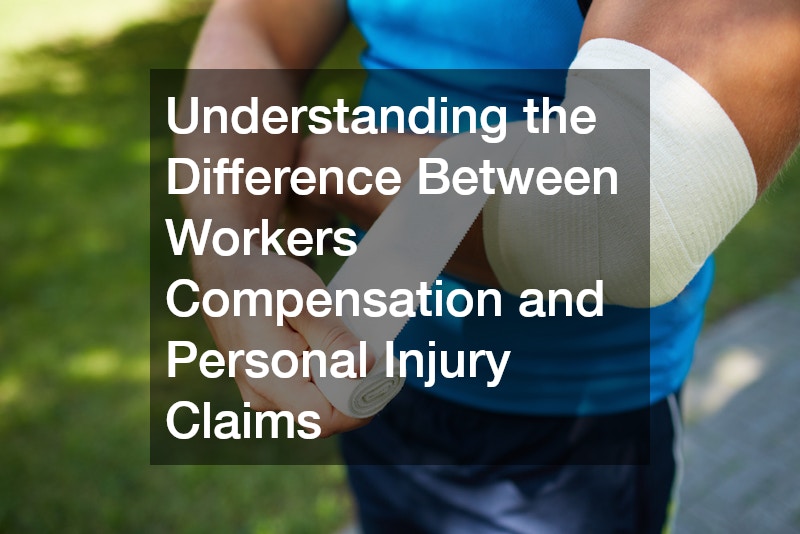
Workers comp lawyers handle these claims. They focus on navigating the complex legal landscape associated with workplace injuries. Their primary aim is to ensure that injured employees receive the maximum benefits they are entitled to under the law. This can involve gathering necessary documentation, such as medical records and incident reports, to support the claim. They also communicate with insurance companies, advocating on behalf of the injured worker to negotiate fair settlements.
Moreover, workers compensation lawyers are vital for those whose claims have been denied or disputed. In such cases, legal representation becomes essential to appeal the denial and present a strong case that highlights the legitimacy of the injury and the need for benefits. They are skilled in understanding the nuances of different state laws since workers’ compensation regulations can vary significantly from one jurisdiction to another.
These attorneys also offer guidance on what steps to take immediately following an accident, such as reporting the injury and seeking medical attention, which are crucial for the successful processing of a claim. Ultimately, having a specialized lawyer can alleviate the stress of dealing with paperwork and legal hurdles, allowing injured workers to focus on their recovery and return to work. Their expertise ensures that rights are protected, and adequate compensation is secured for recovery and future care.
- Filing and managing workers’ comp paperwork
- Securing wage loss benefits
- Addressing denied or delayed claims
- Representing clients in hearings
However, workers compensation has limits. It typically does not cover pain and suffering or full lost income. That’s where a personal injury lawyer becomes essential.
A personal injury claim applies when a third party contributed to the accident. This could include:
- Equipment manufacturers
- Subcontractors
- Property owners
- Outside vendors
In these situations, injury attorneys can pursue additional compensation beyond what workers’ comp offers.
Why Some Job Site Accidents Require Both Legal Paths
Not every workplace injury leads to a personal injury case. However, many serious accidents involve more than one responsible party. When that happens, both legal avenues become important.
For example:
- A construction worker is injured due to faulty scaffolding
- A delivery driver is hit by another motorist while working
- A factory employee is harmed by defective machinery
In each case, workers’ compensation covers immediate needs. At the same time, a personal injury law firm can investigate whether another party is legally responsible.
This dual approach often leads to a more complete financial recovery. It allows injured individuals to address both short-term and long-term needs.
The Role of Workers Comp Lawyers in the Early Stages

Right after an accident, timing matters. Filing a workers’ compensation claim quickly helps secure benefits sooner. Workers comp lawyers guide clients through this process step by step.
They help:
- Report the injury correctly
- Gather medical documentation
- Communicate with employers and insurers
- Prevent claim denials due to technical errors
A local injury lawyer with workers’ comp experience also understands state-specific laws. This matters because deadlines, benefit amounts, and procedures vary.
Without proper guidance, even a small mistake can delay benefits. That delay can create unnecessary stress during recovery.
How Personal Injury Lawyers Expand the Case
Once the workers’ compensation claim is underway, a personal injury lawyer begins a deeper investigation. Their goal is to identify whether a third party played a role in the accident.
They examine:
- Safety violations
- Equipment defects
- Maintenance records
- Witness statements
- Job site conditions
If evidence shows negligence, injury attorneys build a separate case. This claim seeks compensation for:
- Pain and suffering
- Full lost wages
- Future medical care
- Reduced earning capacity
This is a key difference. Workers’ compensation provides limited benefits, while personal injury claims can reflect the full impact of the injury.
When Accidental Paralysis Attorneys Become Essential
Some job site accidents lead to catastrophic outcomes, including spinal cord injuries. In these cases, accidental paralysis attorneys play a critical role.
Paralysis cases require a deeper level of legal and medical understanding. These attorneys focus on:
- Long-term care planning
- Life care cost projections
- Home and vehicle modifications
- Ongoing therapy and rehabilitation needs
They work closely with medical experts to calculate future expenses. This helps build a claim that reflects lifelong needs, not just immediate costs.
When combined with the efforts of workers compensation lawyers, this approach gives injured individuals a more secure financial future.
Coordination Between Lawyers Strengthens the Case
Handling both a workers’ compensation claim and a personal injury case requires careful coordination. Each claim follows different rules, timelines, and legal standards.
Experienced lawyers understand how to manage both without conflict.
For example:
- Workers’ comp may require repayment if a personal injury settlement is reached
- Evidence collected in one case may support the other
- Timelines must align to avoid missed deadlines
A strong legal team ensures these details are handled correctly. This prevents setbacks and helps maximize total compensation.
The Importance of Choosing the Right Legal Team

Not all attorneys handle both types of cases. That’s why choosing the best personal injury attorney and a knowledgeable workers’ comp team matters.
A qualified personal injury law firm often has:
- Experience with complex workplace accidents
- Access to expert witnesses
- Resources for in-depth investigations
- A track record of successful outcomes
Working with a local injury lawyer also brings added value. They understand local courts, insurance practices, and regional regulations. This insight can make a difference in how a case is handled.
Common Challenges in Dual Claims
Pursuing both workers’ compensation and personal injury claims can be complex. Several challenges may arise along the way. One significant hurdle is the potential overlap between the two claims. Since workers’ compensation covers injuries sustained on the job, while personal injury claims often involve negligence outside of the employment context, it can be difficult to determine where one claim ends and the other begins. This overlapping nature may lead to disputes about liability and compensation amounts.
Another challenge is navigating the different legal processes and requirements associated with each type of claim. Workers’ compensation claims are usually handled through specific administrative procedures, which can be faster but have their own timelines and requirements. In contrast, personal injury claims often go through the court system, which can involve lengthy litigation if a settlement isn’t reached.
Additionally, there may be limitations on the amount of compensation received from each claim. For example, some states allow for the reimbursement of benefits received through workers’ compensation if a personal injury claim is successful. This can create conflicts in figuring out the appropriate amounts and make it crucial to accurately document all medical expenses and lost wages.
Lastly, having legal representation experienced in both areas can make a significant difference, as attorneys can strategize the best approach to maximize compensation while ensuring compliance with the regulations governing each claim.
Insurance Company Resistance
Insurance companies often aim to limit payouts. They may:
- Dispute the severity of injuries
- Delay claim processing
- Offer low settlements
Both injury lawyers and workers comp lawyers push back against these tactics. They advocate for fair compensation and hold insurers accountable.
Determining Liability
In personal injury cases, proving fault is essential. This can be difficult when multiple parties are involved. Injury attorneys gather evidence to establish responsibility. This may include expert analysis, accident reconstruction, and safety reviews. They often interview witnesses, collect photographs, and examine medical records to build a strong case.
Additionally, attorneys may work with insurance adjusters to negotiate settlements or file lawsuits if necessary. Understanding laws related to comparative or contributory negligence can also play a critical role in how liability is determined. Ultimately, thorough investigation and attention to detail are key components in securing just compensation for injured parties.
Managing Financial Pressure
Many injured workers face financial strain during recovery. Delayed benefits or denied claims can make things worse, often leading to stress and uncertainty. This financial pressure can hinder the healing process, making it crucial to address these issues promptly. A coordinated legal approach helps reduce these risks by ensuring that all aspects of the claim are handled efficiently. It keeps both claims moving forward while protecting the client’s financial stability. By working closely with legal professionals and understanding the complexities of workers’ compensation, injured employees can navigate their challenges more effectively, securing the necessary resources to support their recovery journey.
How Compensation Is Calculated Across Both Claims
Understanding how compensation works across both claims is important. Each type of claim covers different damages.
Workers’ Compensation Covers:
- Medical treatment
- Partial wage replacement
- Disability benefits
- Rehabilitation services
Personal Injury Claims May Include:
- Pain and suffering
- Emotional distress
- Full loss of income
- Future earning loss
- Long-term care costs
By combining both, injured individuals can pursue a more complete recovery. This is especially important in severe cases involving permanent injury.
Real-World Example of a Combined Case
Consider a construction worker injured by a falling piece of equipment. The equipment was poorly maintained by a third-party contractor.
In this situation:
- Workers compensation lawyers file a claim for immediate benefits
- A personal injury lawyer investigates the contractor’s negligence
- Injury attorneys build a case for additional compensation
If the injury leads to long-term disability, accidental paralysis attorneys may also become involved.
This coordinated effort addresses both immediate and future needs.
What to Do After a Serious Job Site Accident
Taking the right steps after an accident can protect both health and legal rights.
Injured individuals should:
- Seek medical attention right away
- Report the injury to their employer
- Document the accident scene if possible
- Avoid giving detailed statements to insurers without legal guidance
- Contact experienced workers comp lawyers and a personal injury lawyer
Early legal support helps prevent mistakes that could affect the outcome of a claim.
Long-Term Impact of Legal Representation

The effects of a serious workplace injury can last for years. Medical needs, financial concerns, and emotional stress all play a role.
Working with experienced lawyers provides:
- Clear guidance during a difficult time
- Strong advocacy against insurance companies
- Access to resources and expert support
- A better chance at full compensation
A trusted personal injury law firm looks beyond immediate recovery. They focus on helping clients rebuild their lives with confidence.
Final Thoughts
Serious job site accidents often involve more than a simple claim. They can require both workers’ compensation and personal injury legal strategies to fully address the impact. By working together, workers compensation lawyers and personal injury lawyers create a more complete approach. They handle immediate benefits while pursuing broader compensation when negligence is involved.
For those facing life-changing injuries, including cases handled by accidental paralysis attorneys, this partnership can make a meaningful difference. It brings clarity to a complex process and helps injured individuals move forward with stronger financial support. Having experienced legal representation is crucial in ensuring all aspects of a case are addressed.
Additionally, exploring all available legal options can open doors to further compensation avenues. Engaging with dedicated professionals who understand the nuances of both workers’ comp and personal injury law is essential. Choosing the right local injury lawyer and legal team is one of the most important decisions after an accident. With the right guidance, the path to recovery becomes more manageable—and far more secure.